Ask anyone to picture a Greek olive and they will probably describe a glossy, deep-purple Kalamata. But that single image barely scratches the surface. Greece grows dozens of distinct olive varieties, each shaped by its region, its harvest time, and the way it is cured. The result is a depth of flavour you simply will not find in mass-produced olives. So what actually sets Greek olives apart, and why do they taste so different from the rest?
What Makes Greek Olives Genuinely Different
Three things explain the difference: terroir, harvest timing, and traditional curing.
Greece sits in the heart of the Mediterranean, where long hot summers, sea breezes, and mountainous, mineral-rich soil produce olives with concentrated flavour and naturally high oil content. The country is also home to a remarkable number of native cultivars, many of which grow nowhere else on earth.
Harvest timing matters just as much. Olives picked early in autumn are green, firm, and slightly bitter. Left on the tree until December, they ripen to purple and black, turning softer and fruitier. The same tree can therefore give you completely different olives depending on when the fruit is gathered.
Finally, the best Greek olives are still cured the slow, traditional way: left to ferment naturally in brine for months rather than rushed through chemical treatments. This patient method preserves both flavour and nutritional quality, the same care we bring to every dish on our authentic Greek menu.
The Main Types of Greek Olives
Kalamata Olives
The most famous of them all. Grown in the Messinian valley near the town of Kalamata, these large, almond-shaped olives are harvested fully ripe, giving them their signature dark purple colour, snappy skin, and rich, fruity, briny flavour. Often called the “queen” of Greek olives, they are a cornerstone of a classic Greek salad and tapenades alike.
Koroneiki (Cretan) Olives
Small but mighty. Known in Crete as elitses, or “tiny olives,” Koroneiki are packed with oil and produce some of the finest extra virgin olive oil in the world. As a family-run kitchen inspired by Crete, this is the variety closest to our heart, and the oil we drizzle generously throughout our cooking.
Halkidiki Olives
Large, pale green, and plump, these grow exclusively in the Halkidiki peninsula of northern Greece near Mount Athos. Their firm texture and mild, slightly peppery taste make them ideal as table olives and perfect for stuffing with cheese, almonds, or sun-dried tomatoes.
Throubes (Wrinkled Black Olives)
Mostly from the island of Thassos, throubes are the rare olives that ripen and naturally wrinkle right on the tree, sweet enough to eat straight after dry-curing. They carry a deep, intense olive flavour and pair beautifully with oregano and a drizzle of olive oil.
Nafplion and Conservolia
Smaller regional gems like the crunchy, nutty Nafplion green olive and the versatile, all-purpose Conservolia round out Greece’s enormous range, proving there really is a Greek olive for every dish.
More Than Just Flavour: The Health Benefits
Greek olives are a pillar of the Mediterranean diet for good reason. They are rich in heart-healthy monounsaturated fats and polyphenols, natural antioxidants linked to reduced inflammation and better cholesterol balance. A small bowl of olives is one of the simplest, most satisfying ways to eat well.
Taste the Difference for Yourself
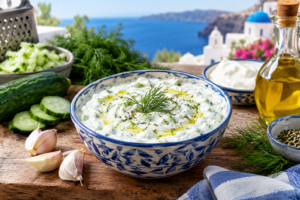
Reading about Greek olives is one thing; tasting them properly cured and served the traditional way is another entirely. At Crete Island, our olives arrive as a lightly marinated selection of premium Greek varieties, the perfect start to a meal alongside our tzatziki and warm Cretan bread.
To experience genuine Cretan flavours made with ingredients sourced from small Greek farms, explore our full menu or book your table at our Bournemouth restaurant. Once you taste the real thing, you will understand exactly why Greek olives are different.