
Best Greek Pasta and Rice Dishes
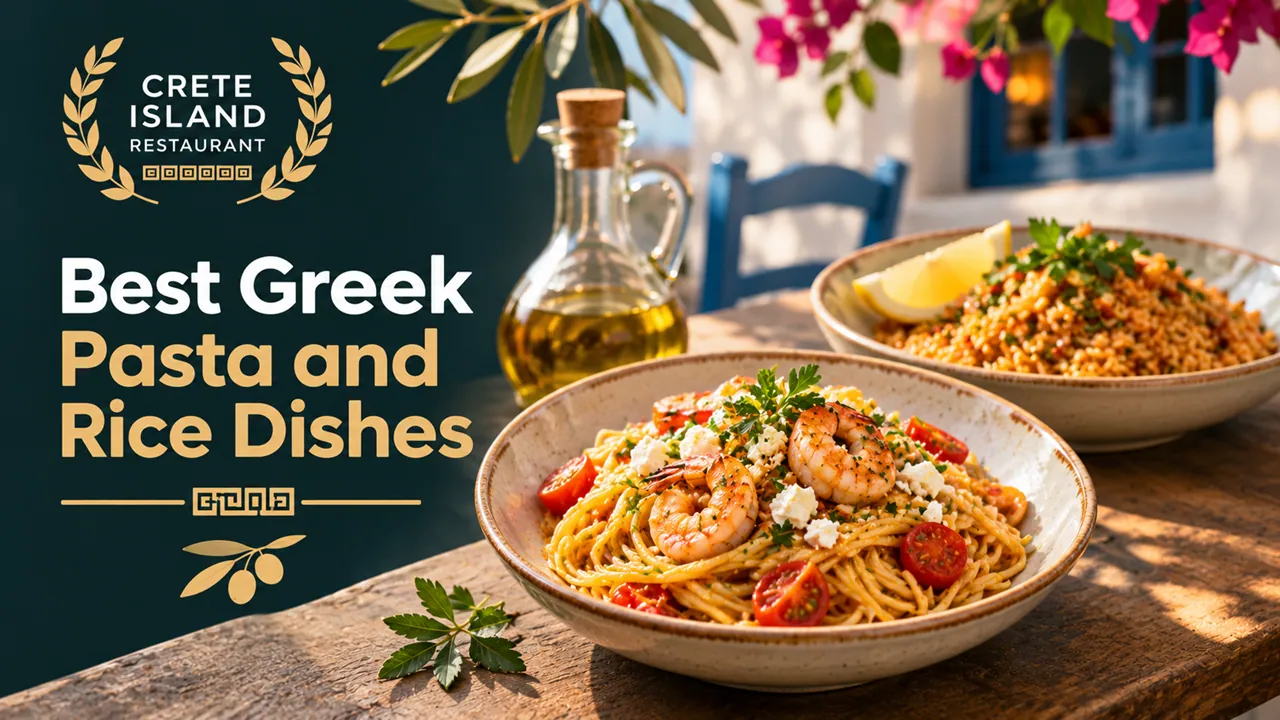
The small Greek pasta that looks like rice is called kritharaki, or orzo. Usually made from wheat, it’s the pasta you’ll find in dishes like giouvetsi. For a dish made with actual rice, look for spanakorizo, a Greek spinach and rice dish, or a lemon pilaf. Among Greek pasta and rice dishes, that distinction is the quickest way to tell what’s coming to the table.
The names tell you what to look for, but the cooking method tells you how the dish will eat. Some pasta bakes come out of the oven firm enough to slice. Others are spooned out in a loose tomato sauce. Use this guide to choose by texture, from a creamy-topped slice of pastitsio to a bright side of lemon rice.
What Is the Greek Pasta That Looks Like Rice?
Kritharaki is the Greek name you’ll often see on packets of orzo. The little pieces resemble grains of rice, but they have the springy bite of pasta when cooked. The Greek name means ‘little barley’, a reference to the shape. Standard kritharaki is typically made from durum wheat semolina.
A pilaf can contain both rice and orzo, which helps explain why the two names can appear together. When comparing Greek pasta and rice dishes, check what the cook starts with. Giouvetsi usually starts with small pasta, spanakorizo starts with rice, and some pilafs start with a handful of each.
Pasta or Rice at a Glance
- Giouvetsi usually uses kritharaki. Expect small pasta coated in a rich tomato sauce.
- Pastitsio uses long, hollow pasta. Expect a baked slice with a savoury mince layer and creamy béchamel.
- Spanakorizo uses rice. Expect a soft, spoonable dish with spinach, herbs and often lemon.
- Lemon pilaf uses rice. Some versions add toasted orzo for an extra bite.
Types of Greek Pasta and What They’re Used For
Do Greeks eat pasta? Yes. Traditional Greek pasta includes grain-shaped kritharaki, flat egg noodles and hand-shaped Cretan pasta. Shape matters. A small piece can be scooped up with a spoonful of sauce, while a hollow tube holds its shape in a layered bake.
Knowing the names makes Greek pasta and rice dishes easier to recognise on a menu or in a Greek grocer’s. You’ll also see spelling differences because Greek names can be written in English in more than one way. Hilopites, for example, may appear as chylopites.
Hilopites and Cretan Sioufichta
Hilopites are often cut into small squares or narrow ribbons. Many traditional versions are enriched with eggs and milk, and the small squares work well with chicken in tomato sauce. On Crete, sioufichta are short pieces of dough rolled by hand, leaving a groove that catches sauce or grated cheese. Look for them if you’re curious about pasta shapes from the island. For more on one of the island’s favourite ways to finish a simple dish, read our guide to olive oil in Cretan cooking.
Two Traditional Greek Pasta Dishes Worth Knowing
Giouvetsi and pastitsio are both associated with the oven, but they come to the table in very different ways. If you like the edge piece of a pasta bake, look for pastitsio on the Crete Island menu. If you want the tomato sauce to coat every bite, choose giouvetsi.
Of the Greek pasta and rice dishes in this guide, these are two of the most useful names to remember when you’re looking for a substantial pasta main. The differences come down to the shape of the pasta and when it meets the sauce.
Giouvetsi, small Pasta baked with Tomato and Meat
A common giouvetsi starts with beef or lamb braised in tomato sauce. The cook adds small pasta later so it absorbs some of the cooking liquid as it finishes. Orzo is a familiar choice, though you’ll also find versions with hilopites. Expect tender meat and small pieces of pasta that take on the flavour of the sauce.
Pastitsio, layered pasta with a béchamel top
Pastitsio is a baked Greek pasta dish with hollow noodles, seasoned minced meat and a thick layer of béchamel. Once baked, it can be portioned into slices so the layers are visible. A corner piece gives you more browned edges. Letting it settle briefly after baking helps the layers hold together when it’s served.
Greek Rice Dishes, From Spinach Rice to Lemon Pilaf
If you want rice among these Greek pasta and rice dishes, start with spanakorizo. The name combines the Greek words for spinach and rice. The rice cooks with the greens until tender, and versions with dill and lemon have a fresh, herbal flavour. Some cooks make it with tomato for a different finish.
Lemon pilaf usually plays a different role. The rice absorbs stock as it cooks, then lemon lifts the flavour. Some recipes toast orzo with the rice, while others leave it out. Serve a lemony pilaf alongside grilled fish or chicken. A bowl of spanakorizo can make a light meal on its own.
A drizzle of extra virgin olive oil adds richness to spinach rice. Taste the rice after adding lemon, since a small squeeze can make the spinach and herbs stand out. For pilaf, fluff the rice before serving so the grains stay separate.
Where Orzo Salad fits
Orzo salad belongs on the pasta side of the list. Cooked orzo holds up well when tossed with crunchy cucumber, tomatoes, olives and a lemon dressing. A chilled bowl makes an easy side for a summer lunch, and the little pasta pieces let you get a bit of everything in a forkful.
At Crete Island, Try the Same Seafood Two Ways
A useful way to explore Greek pasta and rice dishes in Bournemouth is to look at the two seafood dishes we serve in Wallisdown. Thalassina Linguini comes with calamari, baby prawns and mussels in tomato and garlic. The long strands carry the sauce, while the pieces of seafood give each forkful a different texture.
Thalassino Rizoto features those same three types of seafood in a risotto. The difference is the base. Linguini gives you long ribbons of pasta to twirl, while risotto gives you rice you can eat by the spoonful. Both are Mediterranean dishes from our current menu. The giouvetsi, spanakorizo and pilaf above are examples from Greek cooking.
At our Wallisdown restaurant, order the two seafood dishes between you if you want to taste the difference side by side. Start with a forkful of linguini and a spoonful of risotto, then pass the plates around. If you’re choosing just one dish and want a Greek pasta bake, go for the pastitsio. For restaurant photos and updates before you visit, find Crete Island on Facebook.
Get in Touch with Crete Island
Latest from the Crete Island Blog
Why Is Olive Oil So Important in Cretan Cooking
October 28, 2026
What’s the Traditional Greek Way to Eat and Dine
October 13, 2026
What Is Tzatziki and How Is Authentic Greek Tzatziki Made
October 5, 2026