Greece has one of the lowest rates of heart disease in Europe, and researchers have been studying why for decades. The answer lies in the traditional Greek diet itself, the same style of cooking you will find on our menu at Crete Island. Olive oil, fresh vegetables, legumes, fish and moderate portions of meat and dairy come together to support healthy cholesterol levels and a stronger heart. Here is what the science actually says, and how you can enjoy it at our Bournemouth taverna.
What the Research Says About the Greek Diet and Heart Disease
A well known review published in the Journal of Cardiovascular Risk found that the traditional Greek diet is strongly linked to a lower risk of coronary heart disease, with Greek men historically enjoying a longer life expectancy than men in many other Western countries. The researchers pointed to several factors working together: generous olive oil consumption, fibre rich legumes and vegetables cooked in olive oil, plentiful fruit and antioxidants, and moderate wine with meals. None of these elements work alone. It is the whole pattern of eating, not a single food, that protects the heart.
Olive Oil Is the Foundation
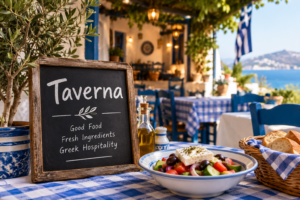
Extra virgin olive oil is central to Greek cooking, and for good reason. It is rich in monounsaturated fats, which help raise HDL, the protective cholesterol, while lowering LDL, the type that clogs arteries. This shift in the cholesterol ratio reduces the buildup of plaque in the arteries, lowering the risk of atherosclerosis, heart attack and stroke. At Crete Island, our chefs use extra virgin olive oil sourced from small Cretan farms in almost every dish, from our Greek Salad to our slow cooked mains.
Fish and Seafood for Omega 3s
Greek coastal cuisine leans heavily on fish and shellfish, which supply omega 3 fatty acids known to reduce inflammation, lower blood pressure and cut the risk of blood clots. Dishes made with prawns, mussels and calamari, cooked gently in tomato and garlic, are a delicious way to support cardiovascular health without relying on red meat.
Vegetables, Legumes and Whole Grains
Fibre rich vegetables, beans, lentils and whole grains help lower LDL cholesterol and stabilise blood sugar. Dishes such as roasted aubergine dip, or our own Melitzanosalata, deliver antioxidants and fibre in every bite, while a simple plate of olives adds heart friendly monounsaturated fat.
Herbs, Spices and Less Salt
Traditional Greek cooking leans on oregano, thyme, dill and garlic rather than heavy salting. Since high sodium intake is a recognised driver of high blood pressure, this habit alone makes Greek food gentler on the heart than many other cuisines.
Dairy and Feta in Moderation
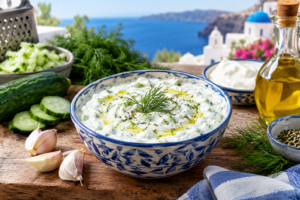
Greek yogurt and feta cheese provide calcium and protein without excessive saturated fat when eaten in sensible portions. A cooling side of Tzatziki pairs perfectly with grilled dishes and keeps meals balanced.
Limited Red Meat, More Shared Plates
Greek meals traditionally favour fish, poultry and legumes over red meat, and food is shared slowly across the table rather than rushed. This relaxed, social style of eating naturally encourages portion control, something modern research increasingly links to better long term heart health.
Enjoy a Heart Healthy Greek Meal at Crete Island
You do not need to travel to Crete to experience these benefits. Our family run kitchen in Wallisdown prepares authentic dishes using the same principles that researchers have studied for years. Explore our vegetarian, vegan and gluten free options, browse our full menu, or reserve your table today to taste the heart healthy flavours of Greece for yourself.