Greek cuisine is built on simple ideas done with care: ripe vegetables, good olive oil, fresh herbs and recipes passed through generations of family kitchens. When you sit down at an authentic Greek restaurant, you are not just choosing a meal, you are stepping into a culinary tradition shaped by Crete, the mainland and the islands. If you are wondering where to start, here is a guide to the dishes every diner should try.
Start with the Meze and Dips
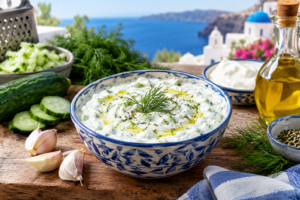
A proper Greek meal usually opens with small shared plates known as meze. Tzatziki, a cool blend of strained yogurt, cucumber, garlic and olive oil, is the classic starting point. Alongside it, look for melitzanosalata, a smoky roasted aubergine dip, and warm skordopsomo, traditional Greek garlic bread, perfect for scooping up every last bit of sauce.
For something with real Cretan character, try dako, a rustic bruschetta of barley rusk topped with fresh tomato, crumbled feta, olive oil and oregano. It captures the essence of village cooking in a single bite and is one of the signature starters at Crete Island Restaurant.
Fried and Baked Favourites
Greek kitchens have a gift for turning humble ingredients into something addictive. Kolokithokeftedes, golden courgette fritters studded with cheese and herbs, are crisp outside and soft within. Saganaki, pan seared cheese with a caramelised crust, is another must order, whether served plain or with prawns in a rich tomato sauce.
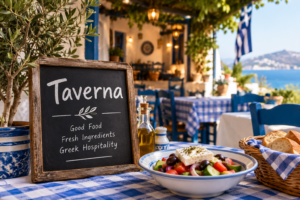
No exploration of Greek food is complete without the Greek salad. Made with ripe tomatoes, cucumber, onion, olives and a generous block of feta, it is left undressed at the table so you can add your own olive oil and oregano, exactly as it is done across Greece.
Hearty Mains from the Family Kitchen
This is where Greek cooking truly shines. Moussaka layers aubergine, potato and seasoned minced meat under a velvety béchamel top, baked slowly until every layer melts together. Pastitsio, sometimes called Greek lasagne, brings baked pasta together with minced meat and the same creamy béchamel finish.
For slow cooked comfort, kleftiko offers lamb roasted gently with vegetables until it falls off the bone, while stifado is a warming beef stew simmered in tomato sauce with sweet onions and warm spices. If you love grilled meats, paidakia, char grilled lamb chops, and a mixed grill of pork belly, chicken, lamb chop and beef steak give you a true taste of a Greek taverna. Chicken lemonato, cooked in a bright lemon and white wine sauce, is a lighter but equally satisfying choice.
Save Room for Dessert
Greek desserts lean on filo pastry, nuts and honeyed syrup. Baklava, layers of buttery filo filled with nuts and soaked in syrup, is the most famous, while galaktoboureko wraps creamy custard in crisp pastry and finishes with a citrus soaked syrup. Portokalopita, a traditional orange cake, offers a lighter, fragrant finish to the meal.
Bringing It All Together
Part of what makes Greek dining special is the pace: dishes are meant to be shared slowly, over conversation, the way they would be in a real taverna. To experience this properly, visit a restaurant that treats these recipes with respect rather than shortcuts.
At Crete Island Restaurant, every dish draws on more than twenty five years of family cooking experience and ingredients like extra virgin olive oil from small Cretan farms. You can browse the full menu, including options for vegetarian, vegan and gluten free diners, and reserve your table to enjoy an authentic Greek dining experience in Bournemouth.
Whichever dishes you choose, approaching a Greek menu with curiosity is the best way to appreciate just how much history and heart sits on the plate.