Greek food has become one of the most loved cuisines in the world because it combines simple, fresh ingredients with genuine health benefits, centuries of unbroken tradition, and a style of eating built around sharing the table with people you care about. It is comfort food and healthy food at the same time, which is rare, and that combination is a big part of why it keeps winning new fans across the UK and beyond.
Fresh Ingredients That Do Not Need Dressing Up
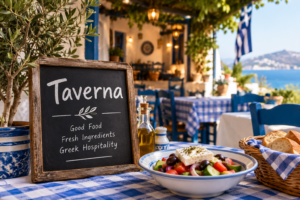
Greek cooking rarely hides behind heavy sauces. Ripe tomatoes, cucumber, olives, feta, and good olive oil are left to taste of themselves rather than being masked by seasoning. That simplicity only works when the ingredients are genuinely good, which is exactly why Greek kitchens lean so heavily on olive oil in almost every dish, from salads to slow cooked meats. If you want to understand why that one ingredient carries so much weight, our piece on why Greek restaurants use olive oil in everything goes into more detail.
A Cuisine With Genuine Health Credentials
Greek food sits at the heart of the Mediterranean diet, which UNESCO recognises as an intangible cultural heritage for its role in wellbeing as well as its cooking style. Olive oil, oily fish, pulses, vegetables, and modest portions of red meat give Greek meals a nutritional profile that dietitians consistently point to when discussing heart health. Greece also reports some of the lowest rates of heart disease in Europe, and that reputation follows the food wherever it is served. We cover this in more depth in our article on whether Greek food is healthy for heart health and cholesterol.
Recipes That Have Barely Changed in Generations
Dishes like moussaka, kleftiko, and dolmades follow methods passed down through families rather than trends, which gives Greek food a sense of honesty that diners notice. Slow roasting, char grilling, and marinating in lemon, garlic, and oregano remain the backbone of the cuisine because they simply work, and that consistency is part of what makes a plate taste unmistakably Greek. Our guide to the must try dishes at an authentic Greek restaurant covers the classics worth ordering first.
Bold Flavour Built on Herbs, Citrus, and Good Fat
Oregano, dill, mint, garlic, and fresh lemon do most of the heavy lifting in Greek cooking, layered over good olive oil rather than butter or cream. That combination gives dishes like grilled souvlaki and lemon potatoes a brightness that feels lighter than many other cuisines while still tasting rich and satisfying. It is a balance that keeps people coming back for more, meal after meal.
Food Meant to Be Shared, Not Just Eaten
Greek dining has always centred on the table rather than the individual plate. Meze, small dishes of dips, cheeses, and grilled bites passed around for everyone, turns a meal into a genuinely social occasion rather than a quick refuel. That sense of hospitality, known in Greek as filoxenia, is baked into how restaurants serve food and how families eat at home alike. Our article on Greek meze plates and whether they are worth it explains how to order them properly for a table of friends.
Taste It for Yourself in Bournemouth
Reading about Greek food only goes so far. At Crete Island, our kitchen brings together fresh ingredients, traditional recipes, and the same generous, shared style of dining that has made Greek food so loved across generations. You can browse our full menu or book a table to experience it in person. Reserve your table at Crete Island Restaurant in Bournemouth today.