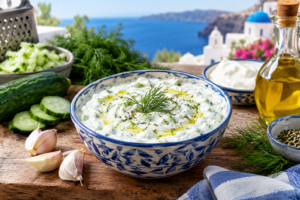
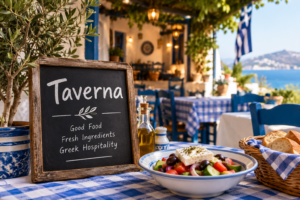
Walk into any taverna in Greece and feta will almost certainly be on the table within minutes, crumbled over a Greek Salad or melted into a warm plate of Dako. It is the cheese most people picture when they think of Greek food, yet it is only one voice in a much larger chorus. Greece produces dozens of regional cheeses, each shaped by local milk, climate and centuries of tradition. Understanding what sets feta apart, and what makes the others worth seeking out, gives you a far richer picture of Greek cuisine.
What Actually Makes Feta, Feta
Feta holds Protected Designation of Origin status, meaning only cheese made in specific regions of Greece using traditional methods can legally carry the name. Authentic feta is made from sheep milk or a blend of sheep and goat milk, with goat milk making up no more than thirty percent of the mix. After the curds are formed, the cheese is cured in brine for weeks, which gives it that unmistakable tang, firm crumble and salty bite. It is not an aged cheese, and if left too long it becomes overly salty, so freshness matters. You may also come across Greek style fetta made from cow milk. It has a milder, creamier flavour, but it lacks the earthy depth and PDO status of the real thing, so it is worth checking the label if authenticity matters to you.
Halloumi, Graviera and Kasseri
Move beyond feta and you meet cheeses built for the grill and the pan rather than the salad bowl. Halloumi, closely tied to Cyprus but loved throughout Greek cooking, has a high melting point that lets it hold its shape beautifully when fried or grilled, which is exactly why our Saganaki Tiri develops that golden, slightly crisp crust. Graviera, Greece’s answer to gruyere, is a firmer cow, sheep or goat milk cheese with a nutty sweetness, often eaten sliced or lightly fried. Kasseri, made from sheep or goat milk, sits somewhere between the two, mild enough to eat plain yet sturdy enough for saganaki and grilling.
Manouri, Anthotyro and Mizithra
Some of the most interesting Greek cheeses are made from whey, the liquid left over after cheeses like feta are produced. Manouri is enriched with cream, giving it a soft, buttery texture and a gentle flavour that works beautifully drizzled with olive oil or paired with honey. Anthotyro appears in two forms, a fresh version that is light, airy and faintly sweet, and a dry, aged version that becomes firm enough to grate over pasta. Mizithra follows a similar pattern. Fresh mizithra is soft and mild, closer in texture to ricotta, while dry mizithra hardens into a salty, savoury topping traditionally sprinkled over spaghetti.
Kefalotyri and Ladotiri
Kefalotyri is a sharp, hard, salty cheese usually made from sheep milk, prized for grating over pasta or flaming tableside in saganaki. Ladotiri, meaning cheese preserved in oil, comes largely from the islands and develops a distinctive richness from that curing method. Both show how differently a Greek cheese can turn out depending on region, milk source and ageing process, even when the underlying technique is similar.
Choosing the Right Cheese for the Dish
Feta earns its reputation through versatility and boldness, but Greek cuisine leans on this wider family of cheeses constantly. Firm cheeses like kasseri and graviera bring texture to grilling and baking, whey based cheeses like manouri and mizithra add gentle creaminess to both savoury dishes and desserts, and aged cheeses like kefalotyri finish a plate with a final salty note. If you enjoyed learning about the cheeses behind Greek cooking, you might also like our guide to Greek olives and why they differ so much, or our breakdown of what separates Greek food from wider Mediterranean cuisine.
The best way to understand these differences is still to taste them side by side. Come and experience them for yourself, book a table at Crete Island and taste authentic Greek cheese cooked the traditional way.